Understanding Mold: Risks, Growth, & Property Impact
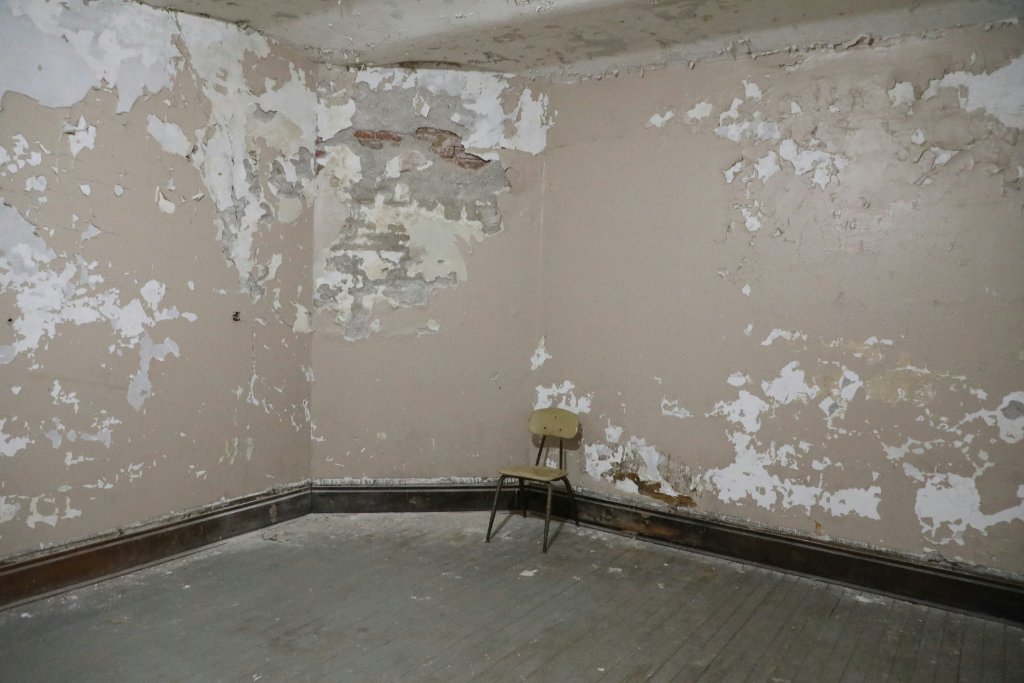
Mold is a naturally occurring organism found in virtually every indoor and outdoor environment. In the right conditions — moisture, a food source such as wood or drywall, and an appropriate temperature range — mold spores germinate, colonize, and spread rapidly through a structure. What begins as a small mold colony can expand to affect an entire building within days or weeks if the underlying moisture source is not addressed and the mold is not professionally remediated.
MMP Construction Services provides comprehensive mold remediation services following IICRC S520 standards — from initial inspection and testing through complete remediation, moisture control, and structural restoration. Every project is documented to support insurance claims and regulatory compliance requirements.
Mold Growth
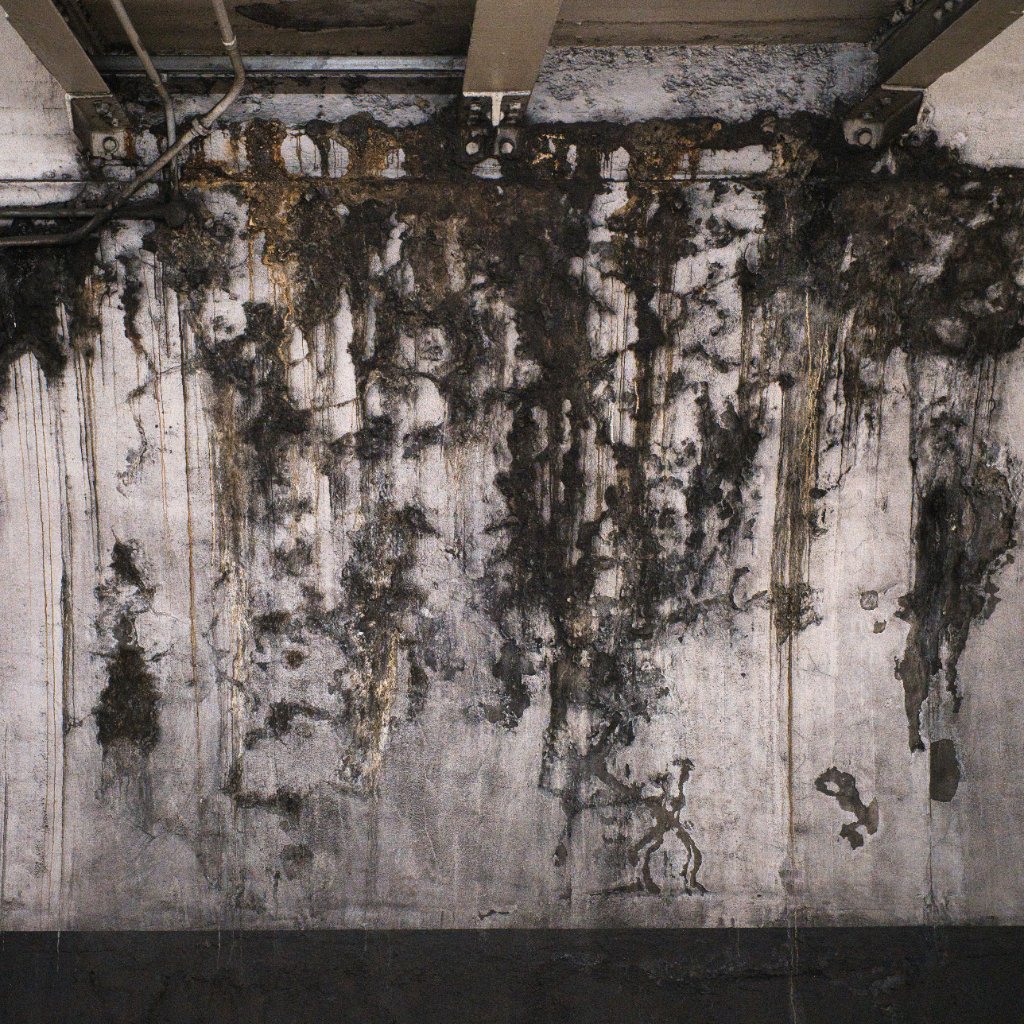
Mold grows on any organic material in the presence of moisture. Building materials — drywall, wood framing, OSB sheathing, paper-faced insulation, ceiling tiles, and carpeting — provide an ideal food source. Mold growth begins within 24–48 hours of water exposure and can spread to cover hundreds of square feet within days. Once established, mold releases millions of airborne spores continuously, spreading contamination throughout the building via air circulation and HVAC systems.
Property Damage
Mold actively degrades the materials it grows on. Wood framing affected by mold loses structural integrity over time. Drywall becomes friable and crumbles. Insulation loses its thermal performance. In severe cases, mold colonization can compromise the structural integrity of floor systems, wall assemblies, and roof framing — requiring extensive demolition and reconstruction to fully remediate. Early detection and rapid response are essential to limiting the scope and cost of mold damage.
Health Risks
Mold exposure poses significant health risks, particularly to individuals with respiratory conditions, allergies, immune deficiencies, or sensitivity to mycotoxins. Common health effects of mold exposure include respiratory irritation, chronic coughing, nasal congestion, eye and skin irritation, headaches, and fatigue. Certain mold species — most notably Stachybotrys chartarum (black mold) and Aspergillus — produce mycotoxins that can cause severe neurological and immune system effects with prolonged exposure.
Indoor Air Quality Issues
Active mold growth releases spores, mycotoxins, and volatile organic compounds (MVOCs) into the indoor air continuously. Elevated mold spore concentrations in indoor air are associated with a range of adverse health effects and are a leading cause of sick building syndrome. Standard HVAC systems do not filter mold spores effectively and can actually distribute contamination throughout the entire building. Professional remediation and air quality restoration are required to establish a healthy indoor environment.
Common Mold Species Found in Buildings
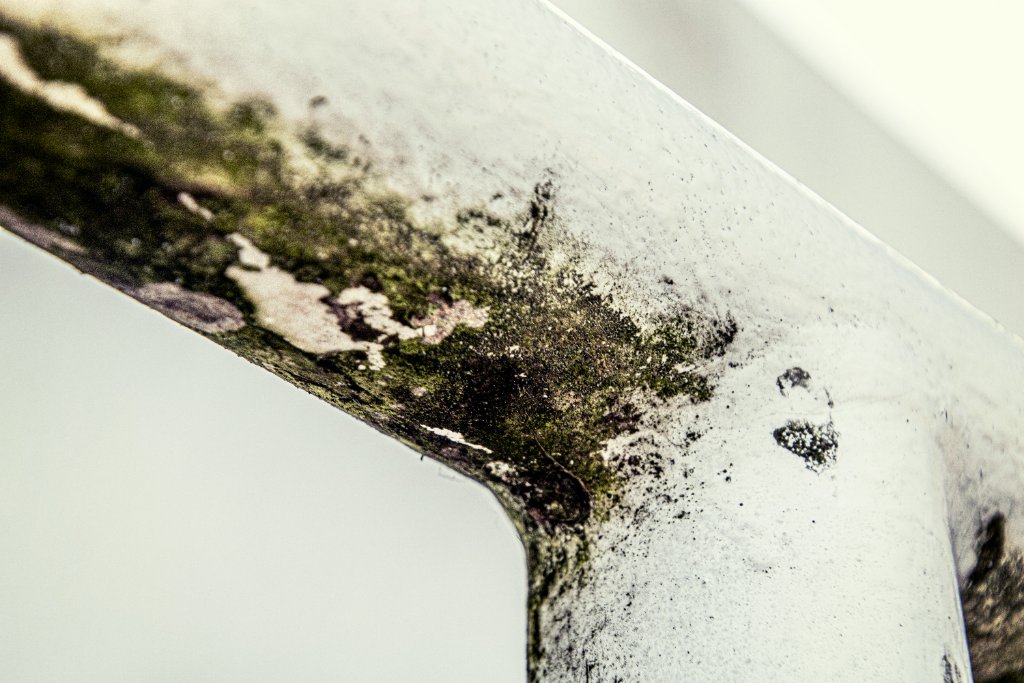
Known as "black mold." Produces mycotoxins associated with serious health effects. Found in areas with chronic moisture.
Common in HVAC systems and on building materials. Can cause respiratory infections in immunocompromised individuals.
Fast-spreading species common on water-damaged drywall and flooring. Associated with allergic reactions and asthma.
One of the most common indoor molds. Found on surfaces and in HVAC systems. A common allergen.
Found on water-damaged drywall and building materials. Produces mycotoxins and is associated with neurological health effects.
Comprehensive Mold Remediation Services
MMP provides the full spectrum of mold remediation services — from initial inspection and laboratory testing through complete remediation, moisture control, structural restoration, and preventative recommendations.
Mold Inspection
A professional mold inspection goes far beyond visually identifying visible mold growth. MMP's certified mold inspectors conduct a systematic survey of the entire property — including attic spaces, crawlspaces, wall cavities accessed via borescope, and HVAC systems — to identify all areas of active mold growth, suspect materials, and conditions conducive to mold development. Moisture mapping using calibrated instruments identifies the moisture sources driving mold growth throughout the structure.
Mold Testing
Mold testing provides objective data about the types and concentrations of mold present in the indoor environment. MMP collects air samples using calibrated air sampling pumps and bulk material samples from suspect surfaces for laboratory analysis by accredited environmental laboratories. Testing results identify the mold species present, quantify spore concentrations relative to outdoor baseline samples, and confirm whether mycotoxin-producing species are present — providing the scientific foundation for the remediation plan.
Mold Removal
Professional mold removal involves the systematic removal of all mold-affected materials from the structure. MMP follows IICRC S520 guidelines for mold removal, which prescribe specific procedures based on the type of material affected, the extent of contamination, and the mold species identified. Affected drywall, insulation, wood materials, and other porous building components are removed under containment, properly bagged, and disposed of at licensed facilities. Non-porous surfaces are HEPA vacuumed and cleaned with EPA-registered antimicrobial agents.
Emergency Mold Response
When mold is discovered in a property that is occupied, or when mold growth is extensive and actively affecting air quality, emergency response is required. MMP's emergency mold response team deploys immediately to establish containment, begin HEPA air filtration to improve air quality in occupied areas, initiate moisture source mitigation, and begin the remediation process as rapidly as possible. Emergency response minimizes health exposure and limits the spread of contamination during the remediation planning and approval process.
Moisture Control
Mold remediation without moisture control is a temporary fix — mold will return within days or weeks if the conditions that caused its growth are not permanently corrected. MMP identifies and addresses the root cause of every mold problem as an integral part of the remediation scope. Moisture control solutions include plumbing repairs, roof and flashing repairs, drainage system corrections, waterproofing of below-grade spaces, HVAC system repairs, and ventilation improvements — ensuring that the conditions for mold growth are permanently eliminated.
Residential Mold Remediation
Residential mold remediation requires careful coordination to protect the health of occupants — particularly children and individuals with respiratory conditions — while the remediation work is underway. MMP conducts residential mold remediation with full containment barriers and HEPA filtration to maintain clean air in occupied areas. We communicate clearly with homeowners throughout the process, provide guidance on temporary relocation where necessary, and work efficiently to minimize disruption to daily life.
Commercial Mold Remediation
Mold in a commercial environment creates liability exposure, employee health concerns, tenant relations issues, and complex regulatory obligations. MMP's commercial mold remediation team is experienced in managing mold projects in occupied commercial buildings — including offices, retail spaces, schools, healthcare facilities, and hospitality properties. We develop phased remediation plans that allow portions of the facility to remain operational, coordinate with property managers and tenants, and provide comprehensive documentation for regulatory compliance and insurance purposes.
Our Process
A Comprehensive, Science-Based Remediation Process
A Comprehensive, Science-Based Remediation Process
Effective mold remediation is not simply a cleaning project — it is a systematic, science-based process that must address both the mold itself and the conditions that caused it. MMP follows IICRC S520 protocols on every project.
Assessment
Our certified mold remediation specialists conduct a comprehensive visual assessment of the property, identifying all areas of visible mold growth, moisture damage, and conditions conducive to mold development. The assessment includes inspection of all building systems — HVAC, plumbing, roofing, and building envelope — to identify potential moisture sources, as well as occupied spaces, storage areas, and concealed spaces including attics and crawlspaces.
Inspection
Following the initial assessment, a detailed systematic inspection is conducted using specialized instruments including moisture meters, thermal imaging cameras, and borescopes for accessing wall cavities. The inspection maps all moisture-affected areas, identifies all visible and suspected mold, and documents conditions that indicate mold growth may be occurring in areas not directly accessible during visual inspection.
Testing
Air and surface samples are collected by our certified industrial hygienist and submitted to an accredited environmental laboratory for analysis. Air sampling quantifies indoor spore concentrations relative to outdoor baselines. Surface sampling identifies the mold species present on affected materials. Results typically take 24–48 hours and are used to confirm the scope of contamination, identify hazardous species, and establish the baseline for post-remediation clearance testing.
Custom Remediation Plan
Based on assessment, inspection, and testing results, MMP develops a site-specific remediation plan that outlines the scope of work required — including containment requirements, materials to be removed, cleaning protocols for different material types, moisture control measures, and reconstruction scope. The remediation plan is provided to the property owner and insurance carrier and guides all subsequent work activities.
Containment
Before remediation work begins, physical containment is established to prevent the spread of mold spores to unaffected areas. Containment uses polyethylene sheeting, critical barriers at doorways and openings, and negative air pressure systems — air movers exhausting through HEPA-filtered units to maintain lower pressure inside the work area than in adjacent spaces. This pressure differential ensures that any airborne spores released during remediation are drawn toward the HEPA filters rather than into clean areas.
Removal
All mold-affected materials are removed under containment using appropriate engineering controls for the specific materials and mold species involved. Porous materials — drywall, insulation, carpeting, and mold-affected wood — are removed and disposed of in sealed bags. Non-porous surfaces are HEPA vacuumed to remove all visible mold and debris before wet cleaning with EPA-registered antimicrobial agents. The goal is to remove all mold growth and contaminated materials from the structure.
Moisture Control
Concurrent with or following removal, all identified moisture sources are addressed. This may include plumbing repairs, HVAC repairs, roof or flashing repairs, drainage corrections, or waterproofing installations. Moisture control is the most critical long-term success factor in mold remediation — without it, mold will recur regardless of how thoroughly the visible growth was removed.
Sanitization
Following material removal and moisture control, all remaining structural surfaces within the work area are HEPA vacuumed and wiped with EPA-registered antimicrobial cleaning agents appropriate to the mold species identified. HVAC systems serving the affected area are cleaned to remove any mold spores that may have entered the air distribution system. Air scrubbers with HEPA filtration continue operating throughout the cleanup and sanitization phase.
Restoration
Following clearance testing, MMP begins structural restoration — replacing all removed materials including framing, insulation, drywall, flooring, cabinetry, and all interior finishes. Restoration is executed with the same quality standards as our construction projects, and all work is coordinated with the insurance carrier's approved scope to ensure full claim coverage.
Final Inspection
Upon completion of all remediation and restoration activities, a final visual inspection is conducted to confirm that all work has been completed to standard. Final moisture readings are taken throughout the affected area to confirm that all materials are at acceptable moisture levels, and air quality samples are collected for post-remediation clearance testing.
Preventative Recommendations
MMP provides a written report of preventative recommendations specific to the property following every mold remediation project. These recommendations address the specific conditions that contributed to the mold growth and provide actionable guidance for preventing recurrence — including maintenance schedules, ventilation improvements, humidity control recommendations, and early warning signs to monitor for.
Specialized Equipment for Effective Remediation
Moisture Meters
Calibrated pin and pinless moisture meters are the primary instruments used to identify moisture-affected building materials and track the drying process. Pin meters measure electrical resistance between probes inserted into the material to determine moisture content as a percentage. Pinless meters use radio frequency or capacitance to detect moisture beneath surface materials without causing damage. Both instrument types are used throughout the inspection, remediation, and post-restoration process to document moisture conditions and confirm that materials meet acceptable moisture standards before they are enclosed in finished assemblies.
Thermal Imaging Cameras
Infrared thermal imaging cameras detect temperature anomalies caused by evaporative cooling of wet materials — making hidden moisture visible in wall cavities, beneath flooring, behind ceiling finishes, and inside structural assemblies. Thermal imaging is used during the initial inspection to identify the full extent of moisture migration beyond what is visible on surface materials, and during the drying process to track moisture movement and confirm that all materials are drying appropriately. The technology enables our inspectors to identify moisture that would otherwise require destructive investigation.
HEPA Filtration Systems
High-Efficiency Particulate Air filtration is the cornerstone of effective mold containment and air quality management during remediation. HEPA filters capture 99.97% of particles 0.3 microns and larger — effectively capturing mold spores, which range from 3–100 microns in size. HEPA-equipped air scrubbers cycle the air in the work area multiple times per hour, continuously removing airborne spores generated during remediation activities. HEPA-filtered exhaust units maintain negative air pressure within containment zones, preventing spore migration to clean areas. HEPA vacuums are used for initial removal of mold from all surfaces before wet cleaning.
Air Scrubbers
Commercial-grade air scrubbers with HEPA filtration and optional activated carbon filters continuously clean the air within the remediation work zone throughout the project. Air scrubbers are sized and positioned to achieve a minimum of four air changes per hour within the contained work area, ensuring that airborne spore concentrations are maintained at the lowest possible levels during remediation. Air scrubbers also incorporate activated carbon media for the removal of mold-generated volatile organic compounds (MVOCs) that contribute to the characteristic musty odor associated with active mold growth. They remain operational through the post-remediation cleanup and are typically left running for 24 hours following completion of physical remediation work.
Insurance Documentation & Claims Coordination
Mold insurance claims are among the most frequently disputed property insurance claims. Many homeowner policies include mold exclusions or sublimits, and adjusters may dispute whether mold damage is covered under the policy's water damage provisions. MMP's thorough documentation process and experienced claims team provide the evidence and advocacy needed to support a fair claim outcome.
Documentation
MMP produces a complete documentation package for every mold remediation project. This includes pre-remediation photographs of all affected areas, moisture meter readings, thermal imaging reports, air and surface sampling results from accredited laboratories, a written description of all affected materials and areas, and the remediation plan. This documentation establishes the cause, extent, and nature of the mold damage — the foundation of a successful insurance claim.
Insurance Coordination
MMP communicates directly with your insurance adjuster throughout the remediation process. We provide our assessment reports, facilitate adjuster site visits during remediation, answer technical questions about methods and industry standards, and respond to requests for additional documentation. Our experience working with insurance carriers on mold claims ensures effective, professional communication that supports the claims process.
Claim Support
If mold damage is covered under your policy, MMP prepares a detailed scope of work and estimate using industry-standard estimating platforms. If the adjuster's scope underpays for the required remediation work, we prepare and submit supplement documentation to support additional claim payment. We also assist in establishing the connection between covered water damage events and resulting mold growth — a critical linkage in many mold claims.
Environmental & Health Considerations
Indoor Air Quality
Active mold growth produces a continuous stream of airborne spores, mycotoxins, and volatile organic compounds that degrade indoor air quality. Elevated indoor mold spore concentrations — even of non-toxic species — are associated with increased rates of respiratory illness, allergic reactions, and asthma exacerbations. MMP conducts pre- and post-remediation air quality testing to establish the baseline contamination level and confirm that remediation has successfully restored healthy indoor air quality.
Occupant Health Risks
Occupant health risk from mold exposure varies significantly based on the mold species present, the concentration of airborne spores, the duration of exposure, and individual health factors. Children, elderly individuals, pregnant women, and people with respiratory conditions or compromised immune systems are at elevated risk of adverse health effects from mold exposure. MMP provides clear guidance on whether temporary relocation is advisable during remediation based on the specific conditions in the property.
Long-Term Mold Prevention
The most effective long-term mold prevention strategy is moisture control. MMP's remediation process always includes identification and correction of the moisture source to prevent recurrence. Additional long-term prevention measures include maintaining indoor relative humidity below 60% year-round using air conditioning and dehumidification, ensuring adequate ventilation in bathrooms, kitchens, and laundry areas, performing regular inspection and maintenance of roofing, plumbing, and HVAC systems, and addressing any water intrusion promptly — within 24–48 hours — before mold can establish.